Man With Van in Cambridge Heath

Our man with van service in Cambridge Heath is set up for straightforward removals, furniture transport and practical moving help when you need items collected, delivered or taken to a new address with care. It suits homes, flats and small businesses that want flexible support without arranging a larger vehicle than the job really needs. The service is centred on careful loading, sensible planning and a clear approach to moving day.
We handle the kind of work people often want done with a van and an extra pair of hands: single bulky items, rooms of furniture, contents from a flat, and modest office or studio moves. If you already know what is going, a quick conversation can help shape the right vehicle size and loading approach. If you are still deciding, the focus stays on making the move practical, orderly and easy to follow from start to finish.
For a closer look at how we structure costs and options, see our pricing and quotes page, or continue below to understand the different service types. If you are ready to compare your requirements, request a quotation in plain terms and we can discuss the move. For many customers, a simple, well-planned van service is the most efficient way to get items moved without unnecessary complication.
House Moves and Flat Removals
House and flat moves often involve more than carrying boxes from one place to another. They need space planning, safe handling and a sensible order for loading so that essential items are easy to reach. Our man with van work can support a full or partial home move, including furniture, white goods, packed belongings and the mixed contents that usually come with everyday domestic moving.
For customers comparing service styles, our home moves page covers domestic relocation work, while house removals and house movers may be useful if you want a more general removals service description. Where the move is lighter in scale, a van-led approach can be a sensible alternative to a large removal team, especially when access is tight or the load is compact but awkward.
When planning home removals, it helps to group items by room and identify anything that needs extra handling, such as fragile shelving, mirrors, mattress protection or awkward wardrobe parts. Clear labelling helps the loading sequence and can reduce time spent deciding what should go in first. If you have stairs, narrow entrances or limited parking nearby, mention those details early so the move can be organised realistically.
Furniture, Single Items and Small Loads

Not every booking is a full property move. Sometimes the main requirement is simply to move a sofa, table, wardrobe or other bulky item between addresses, or to collect a purchase from a seller and deliver it safely. Our furniture and small-load work is built around that sort of practical task, where the value lies in reducing strain, avoiding damage and making transport uncomplicated.
The furniture pick up page is relevant if your job centres on one item or a handful of pieces, and moving van or removal van may help you understand the vehicle side of the service. For customers with multiple stops or a mixture of household goods and purchases, a van-based move can be arranged so the route and loading order stay efficient.
If furniture needs dismantling before transport, say so when you enquire, because some items are easier to carry in sections than fully assembled. In the same way, if a delivery includes glass, soft furnishings or items that must stay upright, that should be included in the plan. Taking a little care before the move often makes the job quicker and easier, especially when the item is large but the access is straightforward.
Packing, Loading and Move Preparation
Preparation is often the difference between a smooth move and one that feels rushed. Packing properly, grouping similar items and deciding what needs protecting before loading all help the van service work more efficiently. We can support customers who want practical moving help rather than a complete managed relocation, so the job can be shaped around the amount of preparation already done.
For more detail on wrapping, boxing and handling belongings before transport, our packing and unpacking services page explains the sort of support that can sit alongside a man with van booking. Useful preparation usually includes:
- label boxes by room or priority
- set aside essential items you want to keep close
- disassemble only where it genuinely helps access
- protect surfaces and delicate corners where needed
When you contact us, it is helpful to describe the items, the access at both addresses and any handling concerns. You do not need a perfect inventory, but a sensible outline gives a clearer picture of what is involved. If there are narrow stairwells, limited waiting space or parking restrictions, those points matter because they influence how the van can be used and how the move is organised.
Office Relocation and Business Moves
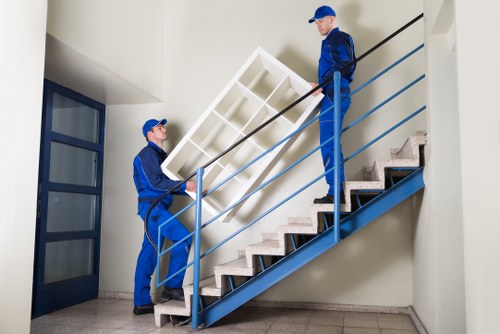
Business moves call for a slightly different rhythm from domestic removals. Office desks, chairs, filing, monitors and stock all need to be moved with attention to order, access and continuity. Our office-focused man with van service is suitable for smaller relocations, internal transfers and ad hoc transport where a compact, adaptable vehicle is more appropriate than a full commercial removal crew.
You can read more on our office relocation services page or the broader office removals page if you are comparing support for workspace moves. Some customers only need a few key items transported between premises, while others need a fuller move handled in phases. Either way, a van service can be planned to fit the timetable and the amount of equipment involved.
Where business equipment is concerned, clarity matters. Tell us about any heavy storage units, delicate screens, archive boxes or items that should not be stacked under pressure. That helps with the loading order and with deciding whether protective wrapping or extra space is sensible. For a workspace move, the goal is usually to keep the process orderly and minimise unnecessary handling, rather than treating every item the same way.
Insurance, Care and Safe Handling
Careful handling is central to any van-based removal. Items need to be lifted with attention, balanced properly in the vehicle and secured so they stay stable in transit. We also recognise that customers want to understand the basic approach to protection and responsibility before a move begins, particularly when furniture, mirrors or equipment have a higher risk of damage if they are rushed.
Our insurance and safety page provides more detail on that side of the service, and the health and safety policy covers the general principles behind safe work. Good handling is not only about strength; it is also about using the right sequence, controlling weight distribution and keeping access routes clear. The best results usually come from measured work rather than speed for its own sake.
Where an item is valuable, fragile or difficult to manoeuvre, it is sensible to mention this early. That could include display units, antique furniture, glass-fronted cabinets or awkward appliances. A van service can accommodate these items when they are described clearly, because the right handling decisions are easier to make before loading begins. Stable packing and calm loading are often more important than any single piece of equipment.
Prices, Scope and the Best Fit for the Job

Price for man with van work is usually shaped by the details of the move rather than by one fixed formula. Distance, number of items, waiting time, access conditions and the amount of help required can all affect the final quotation. A clear description of the job gives a better basis for deciding whether a compact van move, a larger removals vehicle or a different type of support is the best fit.
Our removal services page explains the wider service range, while removals and movers offer useful general references if you are comparing options. Some customers need a one-off collection, others a half-day move or a route with several pick-ups. The practical value comes from matching the vehicle and the lifting help to the real job, not from adding unnecessary extras.
If you are uncertain how to describe the move, start with the basics: what needs moving, where it is going, and whether there are stairs, parking limits or unusually large pieces. That is usually enough to begin. Simple, accurate information tends to produce a more useful quotation than long explanations that mix essential facts with guesses. From there, the service can be tailored to the load and the schedule.
About Cambridge Heath
Cambridge Heath is an east London district in the London Borough of Tower Hamlets, closely linked with neighbouring Bethnal Green, Hackney and the wider corridor running towards Whitechapel and Bow. The area takes its name from the historic “heath†that once lay beyond the built-up city fringe, although the modern landscape is firmly urban. Its position beside key transport routes has long given it a practical, working character, and today it sits between dense residential streets, rail infrastructure and busy stretches of local commerce. Cambridge Heath railway station, on the Weaver line, provides a recognisable focus, while Cambridge Heath Road is one of the most familiar routes through the area. The surrounding streets include a mix of Victorian and later housing, warehouse conversions and newer apartment development, reflecting the eastward spread of London in the nineteenth and twentieth centuries and the continuing reinvention of inner-east neighbourhoods. As with much of Tower Hamlets, the district sits within a broader story of migration, industry, rebuilding and urban change. Nearby, green spaces such as Weavers Fields and London fields to the north-west offer contrast to the harder urban grain, while the wider local area also benefits from cultural venues, independent businesses and strong connections to the creative and hospitality life for which east London is well known. The result is a place that feels compact, layered and practical, with a street pattern and built environment shaped by repeated adaptation rather than grand formal planning.
Routes, Access and Practical Moving Choices
Choosing a van-led move is often about access as much as volume. Narrow streets, upper-floor flats and limited waiting space can make a compact removals approach preferable, especially when the load does not justify a large lorry. Our man with van service is designed to stay adaptable, so the route, stop order and loading method can be shaped around the property rather than forcing the property to fit the vehicle.
Useful related pages include man and van, man with van and man and van removals if you want to compare wording and service emphasis. The practical questions are usually similar: how much needs moving, how far it is going and whether the access at either end creates extra work. Once those points are clear, it becomes easier to decide whether the move is best done in one run or in stages.
It is also sensible to think about the items that should travel separately, such as personal documents, medicines, valuables or essentials for the first night in a new home. Keeping those aside can make arrival easier and prevent them being mixed into the general load. Good separation of essentials is a small step that often helps the rest of the move feel more manageable.
Commercial Transport and Flexible Collections

Some man with van bookings are essentially commercial transport jobs rather than traditional removals. That might include shop stock, archive material, display items, equipment transfers or collection work between business addresses. Our commercial moves page gives a useful sense of that side of the service, while removal company and removal companies can help if you are comparing broader business categories.
Flexible collection work is particularly useful when the items are already packed or when the job involves several pick-ups and one final delivery. A van service can keep the process more efficient by matching space to the cargo, avoiding overcomplicated arrangements and reducing the need for separate transport bookings. For some jobs, the main benefit is simply having a dependable vehicle with practical loading support available for the day.
If you would like to talk through a collection, delivery or small move, contact us with the basic details and we can look at the right approach. For a more exact figure, you can also revisit the pricing and quotes page and then request a quotation once you are ready. A short, direct enquiry is usually the easiest way to turn a moving plan into a workable booking.
Extra Support, Sustainability and Service Information
Many moving jobs benefit from a little extra support beyond lifting alone. That could include arranging the order of items, making sure loose pieces are kept together, or helping to identify which belongings should be handled first at the destination. Where a move includes several types of item, a sensible plan helps keep everything together and avoids unnecessary backtracking once the vehicle is loaded.
If you want to understand more about how the business handles wider responsibilities, you may find the recycling and sustainability page useful, along with payment and security for general practical information and about us if you want a broader overview. These pages are not needed for every booking, but they can help when you are comparing how the service is organised and what information is available before you proceed.
For a straightforward move, the most helpful next step is to list what needs transporting and decide whether the job is mainly domestic, furniture-based or commercial. Then you can ask for a quotation in a way that reflects the actual work. Clear details make it easier to match the van, the loading help and the route to the move itself, which is usually what customers want from a practical service.