Understanding Hidden Fees in Cambridge Heath Removals
Posted on 02/06/2026
If you have ever compared removal quotes and thought, "Why does one price look fine while another suddenly climbs at checkout?", you are not alone. Understanding hidden fees in Cambridge Heath removals is one of the smartest things you can do before moving day, because the cheapest quote is not always the cheapest move. A clear price can save stress, awkward conversations, and that awful moment when the van is already outside and the bill starts growing.
Cambridge Heath moves often involve tight streets, flats with awkward access, short notice bookings, and plenty of small variables. That is exactly where extra charges can sneak in. This guide breaks down how hidden fees work, what to watch for, and how to compare quotes properly so you can make a confident choice. If you are planning a move and want a calmer, more transparent experience, you will find practical steps here, not fluffy advice.
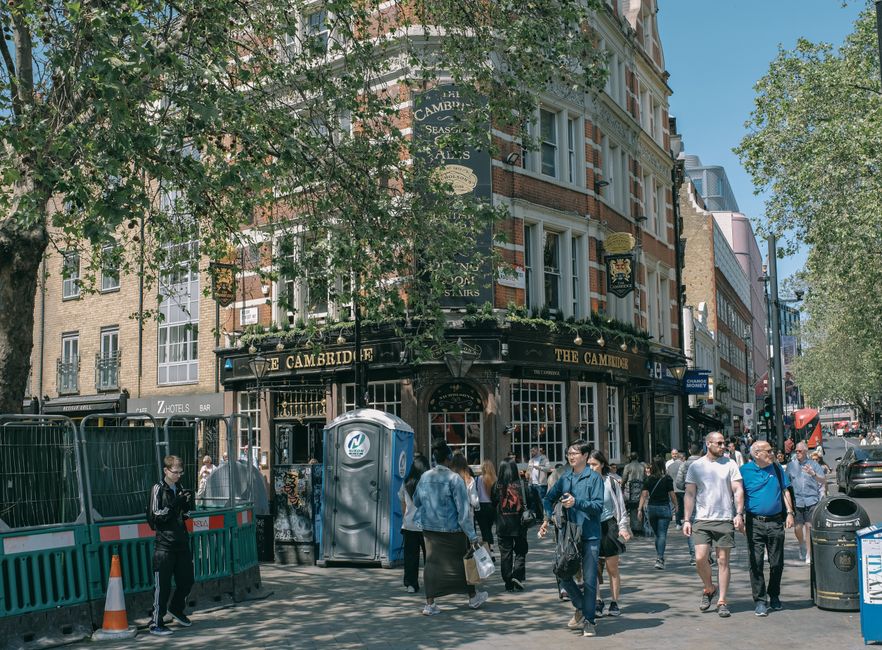
Why Understanding Hidden Fees in Cambridge Heath Removals Matters
Hidden charges are not just a budgeting issue. They can change the whole tone of a move. A quote that looks competitive at first can become frustrating once the extras appear: waiting time, carry distance, parking complications, wrapping materials, or additional labour for heavy items. In a busy part of East London like Cambridge Heath, those details matter because properties are often not straightforward. A narrow stairwell, a second-floor flat, or a parking bay that is not close by can all affect the final price.
To be fair, some extra charges are legitimate. If a mover has to work harder, wait longer, or use more equipment, that may reasonably be reflected in the final bill. The problem is not extra fees themselves. The problem is surprise fees. A good removal quote should make the pricing logic understandable before the van arrives.
This matters even more if you are under time pressure. Students, renters moving between flats, families doing a full house move, and office teams relocating all benefit from cost clarity. If you are also trying to organise packing, cleaning, storage, or specialist handling, the budget can get messy very quickly. It is much easier to plan once you know what a quote actually covers. For broader move planning, it can help to read practical guidance like steps to a calm and organised house move alongside this article.
And yes, the small print really can matter. That is not scare tactics; it is simply how moving services tend to work when time, labour, access, and vehicle use are all part of the job.
How Understanding Hidden Fees in Cambridge Heath Removals Works
The easiest way to think about removal pricing is this: the quote usually starts with a base cost, then adjustments are added if the actual job differs from the original assumptions. A mover may quote for a simple ground-floor load, easy parking, standard furniture, and one vehicle. If the reality turns out to be a fourth-floor walk-up with no lift and a long carry from the kerb, the job has changed. That is where extra charges can appear.
In practice, hidden fees often come from one of four places:
- Access issues: stairs, lifts, long carry distances, restricted entry, or difficult parking.
- Time factors: waiting for keys, delayed access, traffic-related delays, or out-of-hours work.
- Item factors: heavy, fragile, awkward, or specialist items that need extra care.
- Service scope: packing, dismantling, wrapping, storage, or disposal not included in the original quote.
A transparent company should explain whether the quote is fixed, estimated, or subject to inspection. That distinction is crucial. A fixed quote is meant to stay fixed if your details are accurate. An estimated quote may move up or down depending on the actual work. Neither is automatically bad, but you need to know which one you are accepting.
Let's say you ask for a price for a flat move and later realise the sofa will not fit through the staircase without partial dismantling. If dismantling was not mentioned, it could become an add-on. Same story for packaging materials, mattress covers, or a last-minute storage request. If you are moving furniture, the right preparation can reduce those surprises; a useful companion piece is furniture removals in Cambridge Heath.
One more thing. Hidden fees are not always deliberately hidden. Sometimes they are buried in the wording, tucked away in a terms section, or left unspoken during a rushed phone call. That is why asking the right questions matters so much.
Key Benefits and Practical Advantages
Getting clear on pricing before you book gives you more than just peace of mind. It gives you leverage, control, and a better chance of choosing the right mover for your situation.
1. You can compare quotes fairly
Two quotes may look wildly different, but once you strip away vague wording, they may be closer than they seemed. Or the opposite. A low headline price can become expensive once extras are added. Comparing like-for-like stops you from judging purely on the number at the top of the page.
2. You avoid last-minute arguments
When fees are discussed early, there is far less room for misunderstanding on moving day. Nobody enjoys standing in the doorway while the clock is ticking and the bill is being recalculated. Not exactly the vibe anyone wants.
3. You budget more accurately
If you know what could increase the cost, you can plan for it. That might mean setting aside a little contingency, booking parking support, decluttering beforehand, or doing some packing yourself. A bit of prep can save a lot later on. For packing support, see packing and boxes in Cambridge Heath and the practical advice in top moving strategies for packing with ease.
4. You reduce the risk of damaged items
Clear pricing often goes hand in hand with clear service scope. If a mover understands which items need specialist handling, they are less likely to underquote and rush the job. That is especially important for awkward objects and fragile goods.
5. You make smarter choices about service level
Sometimes a man and van service is enough. Other times you need a full removal team, storage, or a specialist for delicate items. Knowing the fee structure helps you choose the right level of support rather than paying for the wrong thing.
Expert summary: The best way to beat hidden removal fees is not to hunt for the cheapest quote. It is to ask better questions, describe your move accurately, and compare service scope, not just price.
Who This Is For and When It Makes Sense
This topic is relevant to almost anyone moving in or out of Cambridge Heath, but it is especially useful if your move has a few complications. And most do, if we are honest.
- Flat movers: especially if you live in a walk-up, shared building, or somewhere with awkward access.
- Students: often moving on tight schedules and limited budgets, where every extra charge stings a bit.
- Families: who may have more items, more labour, and more coordination to manage.
- Office movers: where timing, equipment, and downtime can all affect the final cost.
- Same-day movers: where speed can lead to premium rates or fewer price guarantees. If that is you, have a look at same-day removals in Cambridge Heath and the related note on same-day removal emergencies in Cambridge Heath E2.
It also makes sense if you are comparing different removal styles. For example, a basic van-only service may suit a small load, while a more involved move may benefit from a full team or a specialist vehicle. If you are not sure which route fits, the broader services overview can help you understand the structure of the available options.
If you have delicate or high-value items, fee clarity becomes even more important. A piano, for example, is not just another heavy object. It needs planning, protection, and trained handling. That is why specialist pages such as piano removals in Cambridge Heath and ensuring safety in piano moving through expert help are worth checking if your move includes one.
Step-by-Step Guidance
Here is a practical way to protect yourself from surprise fees without turning the whole process into homework. It is really about being methodical, not paranoid.
- List everything that is moving. Include large furniture, boxes, appliances, fragile items, and anything awkward. If you have a bed, mattress, freezer, or piano, mention it early. Small omissions can change the quote later. Helpful related reading includes moving your bed and mattress like a pro and proper freezer storage techniques.
- Describe access honestly. Tell the mover about staircases, lifts, parking distance, loading restrictions, and whether the van can stop nearby. In a place like Cambridge Heath, access is often the difference between a clean quote and a messy one.
- Ask what is included. Don't assume boxes, blankets, dismantling, reassembly, or waiting time are covered. Ask in plain English: "What would make this price go up?" That simple question is powerful.
- Request the pricing format. Is it fixed, estimated, hourly, or based on a survey? If it is hourly, ask how travel time, minimum charge, and overtime are handled.
- Check the small print. Terms and conditions should explain cancellation, rescheduling, damage claims, and payment timing. It is not exciting reading, admittedly, but it matters. If you want to understand the fine detail better, review the terms and conditions.
- Confirm payment method and timing. Some businesses take deposits; others invoice after completion. Ask whether card, transfer, or other methods are accepted and when payment is due. The page on payment and security is useful here.
- Get everything in writing. A written quote, even if brief, is easier to rely on than a verbal estimate from a busy phone call.
- Reconfirm before moving day. If anything changes - parking, extra items, access, timing - update the mover as soon as possible. Last-minute surprises are where fees love to hide.
If you are planning a house move rather than a small job, it can also help to read house removals in Cambridge Heath and packing guidance for a smoother move so your quote matches the actual workload.
Expert Tips for Better Results
A few small habits can make a big difference. Most of them are boring in the best possible way.
- Be specific with item counts. "A few boxes" does not help much. "18 boxes, one wardrobe, one sofa, one king mattress" is much better.
- Take photos of access points. Stairwells, parking areas, and narrow hallways are easier to assess from pictures than from guesswork.
- Separate specialist items early. Heavy, fragile, or unusually shaped things are the first to trigger extra costs if they are mentioned late.
- Ask about waiting charges. If you are waiting on keys, cleaning, or access, find out how the clock is handled.
- Compare service depth, not just headline price. One quote may include wrapping, while another charges separately. Apples and oranges, basically.
- Think about self-prep. Decluttering, partial packing, and sorting recycling before the move can reduce labour time. A useful guide is decluttering methods to enhance your moving journey.
One practical tip from real moving days: keep a small note on your phone with the exact items, access details, and agreed price. When the day gets busy and everyone is half-wired on tea and stress, that little note is gold.
And if your move involves heavy lifting, do not leave safety to chance. You can read more about safe handling in lifting and moving heavy objects safely by yourself and the related discussion on kinetic lifting strategies.

Common Mistakes to Avoid
Most hidden-fee problems are avoidable. They usually happen because people are rushed, overly optimistic, or a bit too focused on the cheapest number on the page.
- Choosing a quote without asking what is excluded. Exclusions are where surprises live.
- Understating the size of the move. People often forget loft items, balcony furniture, or stored boxes.
- Ignoring access details. A "short walk from the van" can become a very long carry if the road is busy or parking is restricted.
- Assuming packing materials are free. Boxes, tape, bubble wrap, mattress covers, and wardrobe cartons may all be separate.
- Forgetting about disposal or cleaning. If you need rubbish removed or the property cleaned after the move, that is usually a separate job. The article on effective move-out cleaning is helpful if you are trying to avoid end-of-tenancy surprises.
- Leaving everything to the last day. The less prepared you are, the more likely you are to pay for time, urgency, or extra labour.
There is also a quieter mistake: not checking whether the company seems transparent in the first place. If a mover is vague before booking, they are unlikely to become wonderfully precise later. Let's face it.
Tools, Resources and Recommendations
You do not need fancy software to stay on top of removal fees. A few simple tools and habits are enough.
- A written inventory: a simple note or spreadsheet listing every room and item.
- Phone photos: useful for documenting access, item condition, and awkward furniture layouts.
- A quote comparison checklist: compare what is included, what is extra, and what payment terms apply.
- Packaging supplies plan: if you need boxes, tape, and wraps, check whether they are being supplied or self-bought. The dedicated packing and boxes page can help you think through that side of the move.
- Storage planning: if your completion date and move-in date do not line up, storage may be more economical than extending removal time or rushing the job. See storage in Cambridge Heath for the service side of that decision.
If you are moving from one local area to another nearby, route and timing can influence cost too. A move from Victoria Park into Cambridge Heath, for example, may sound short, but traffic, loading access, and parking can still affect the job. That sort of local planning is discussed in Victoria Park to Cambridge Heath move logistics.
It can also help to understand how a company approaches sustainability, safety, and service standards. Those details may not directly change the fee, but they do tell you something about how the business operates. Pages such as recycling and sustainability, insurance and safety, and health and safety policy can help you judge the overall professionalism of the service.
Law, Compliance, Standards, or Best Practice
In the UK, removal pricing is generally shaped by normal consumer and business practice rather than one single special rulebook for moving companies. That means your best protection is not a legal technicality; it is clarity, documentation, and fair dealing.
Good practice usually includes:
- clear pre-booking communication
- transparent explanation of what is included
- written confirmation of key terms
- reasonable handling of deposits and payment timing
- appropriate insurance and care for goods in transit
If a company offers insurance or mentions safety procedures, read those details carefully. They are not just formalities. They tell you how the mover thinks about risk and responsibility. You can also review the company's general approach in the about us page if you want a better feel for the organisation behind the quote.
For special cases such as emergency moves, office relocations, or student moves, best practice is to describe the situation plainly and ask for a tailored quote. Different move types often carry different assumptions. For instance, student moves may be smaller but more time-sensitive, while office removals may involve equipment, access coordination, and business-hours restrictions. Relevant pages include student removals in Cambridge Heath and office removals in Cambridge Heath.
Options, Methods, or Comparison Table
The table below gives a simple way to think about common pricing approaches. The right choice depends on the size of the move, the complexity, and how much certainty you want.
| Pricing approach | How it usually works | Pros | Watch out for |
|---|---|---|---|
| Fixed quote | Agreed price based on the details you give upfront | Easy to budget, fewer surprises | Can change if your details were incomplete |
| Hourly rate | You pay for time worked, sometimes with a minimum charge | Can suit small or flexible jobs | Delays, traffic, or access issues can raise the total |
| Estimate | Approximate price that may be adjusted after the job | Useful when the move is still being finalised | Less certainty if the scope changes |
| Specialist add-ons | Extra charges for bulky items, dismantling, packing, or storage | Lets you pay only for what you use | Can inflate the total if not discussed early |
In plain terms, fixed quotes are usually best when your move details are stable and clearly defined. Hourly pricing can work well for short, simple moves, but only if access is straightforward. Estimates are fine for early planning, though they should be treated as provisional rather than final. That distinction saves a lot of annoyance later.
If you are comparing removal styles, you may also want to understand whether a man and van service in Cambridge Heath, a man with a van, or a full removals service in Cambridge Heath is the best fit for your situation.
Case Study or Real-World Example
Here is a realistic example. A couple moving from a second-floor flat in Cambridge Heath booked what looked like a good-value removal service. The quote was based on a quick phone call. What was not mentioned? The building had no lift, the parking space outside was often unavailable, and the sofa would need to be partly dismantled to come down the stairs.
On moving day, the team still did the work properly, but the final price increased because the job took longer and required extra handling. Nothing dramatic, nothing scandalous. Just a mismatch between what was assumed and what was actually there.
Afterwards, the couple said the real issue was not the extra charge itself. It was that nobody had discussed those details clearly enough before booking. If they had shared access photos and asked what would count as an add-on, the move would have felt much smoother and the quote would have been much closer to the final cost. A fairly ordinary story, really, but it comes up again and again.
The lesson is simple: accurate details create better pricing. If your move includes a tricky item, a fragile appliance, or limited access, say so early. That is especially true for specialist moves such as pianos, where handling needs are different from standard furniture transport. A linked guide worth reading is piano removals in Cambridge Heath.
Practical Checklist
Use this before you accept any removal quote. It is a quick reality check, and honestly, it helps more than most people expect.
- Do I know whether the quote is fixed, estimated, or hourly?
- Have I listed every large, fragile, or awkward item?
- Have I explained stairs, lifts, parking, and carry distance?
- Do I know what is included in the price?
- Have I asked about packing materials and dismantling?
- Do I understand waiting time, overtime, or delay charges?
- Is payment timing clear?
- Have I read the terms and conditions?
- Do I know whether insurance is included or optional?
- Have I asked for the price in writing?
- Have I considered storage if my dates do not align?
- Have I checked whether the company seems transparent and responsive?
If you can tick most of those boxes, you are already ahead of many movers. A well-prepared customer usually gets a better experience. Simple as that.
Conclusion
Understanding hidden fees in Cambridge Heath removals is really about staying calm, asking clear questions, and refusing to be rushed into assumptions. Once you know what can affect the cost, you can compare quotes properly, prepare your move more efficiently, and choose a service that fits the actual job rather than just the headline price. That saves money, yes, but it also saves energy, and moving day already asks for enough of that.
Whether you are moving a flat, a family home, a student room, or a specialist item, transparency is your best friend. So keep the details clear, put important agreements in writing, and do not be shy about asking what happens if the job changes. A good mover will not mind. In fact, they should welcome it.
Get a free quote today and see how much you can save.
And if you are still at the planning stage, take your time. A careful move tends to feel lighter all the way through, even before the first box is lifted.