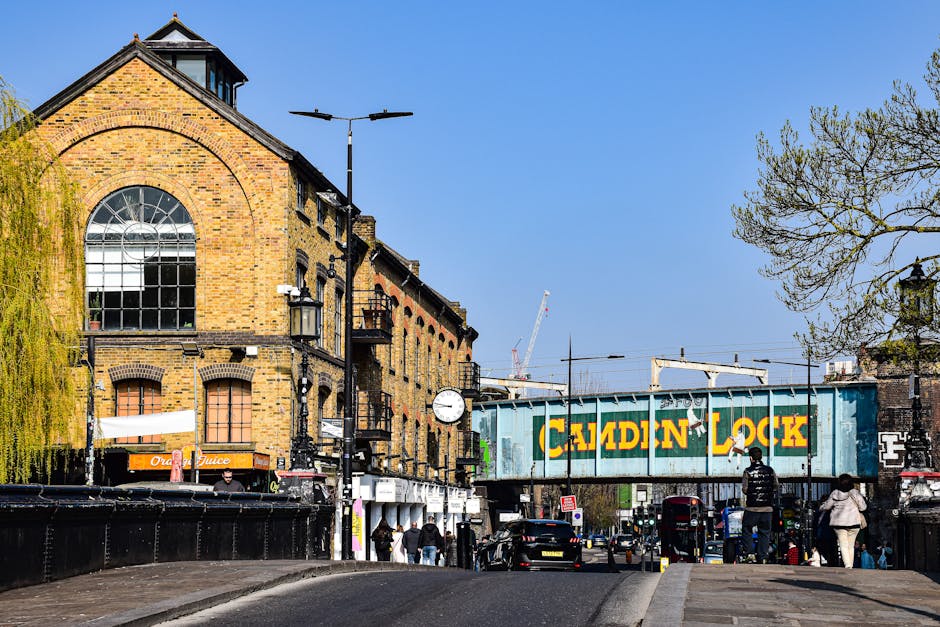
Best loading spots near Cambridge Heath Station for removals
If you are planning a move around Cambridge Heath, the loading bay question can make or break the day. The van may be booked, the boxes may be packed, and yet one awkward kerbside stop can still turn a simple job into a slow, stressful shuffle. The best loading spots near Cambridge Heath Station for removals are usually the ones that give you a short carry, enough space to park safely, and the least chance of blocking traffic or annoying a bus driver at 8:30 in the morning. Sounds obvious, but in London, obvious and practical are not always the same thing.
This guide walks you through where to look, how to choose a sensible loading point, what to avoid, and how to make the process smoother whether you are moving a studio flat, a family home, or a small office. You will also find a checklist, a comparison table, and a few real-world tips that help when the road is busy, the pavement is narrow, and time is not on your side.
Why Best loading spots near Cambridge Heath Station for removals Matters
Choosing a loading spot is not just a convenience issue. It affects how long the move takes, how much lifting your team has to do, and how safely furniture and boxes get from door to van. Around Cambridge Heath Station, that matters even more because the area mixes residential streets, steady commuter traffic, and the usual London pinch points: tight corners, parked cars, delivery vehicles, and the occasional cyclist appearing from nowhere.
For removals, a good loading point can save several small problems all at once. The trolley run is shorter. The chance of scratching furniture on a narrow stairwell is lower because items are moved more directly. And the driver is not stuck circling while everyone on the pavement looks increasingly fed up. Truth be told, a few extra metres can feel like a mile when you are carrying a wardrobe.
It also affects your planning. If you have booked a man with van service, a sensible loading spot keeps the day moving. If your move is larger, the same logic applies to a wider removal services booking or a full team of movers. Good access is one of those unglamorous things that pays off immediately. You notice it most when it goes wrong.
Expert summary: the best loading spot is usually the one that balances distance, safety, visibility, and legal parking reality. Not the closest spot on paper. The one that actually works on the day.
How Best loading spots near Cambridge Heath Station for removals Works
Loading near Cambridge Heath Station usually comes down to three decisions: where the van can stop, how long it can stay there, and how safely the move can be handled without blocking traffic or footways. In practice, that means looking for a spot close enough to reduce carrying distance, but not so awkward that the van is forced into a dangerous position.
Some moves work best with a kerbside stop directly outside the property. Others need a nearby side street, a wider section of road, or a temporary pause while the crew brings items from the property to the vehicle. The right choice depends on the size of the vehicle, the type of property, and whether any local restrictions apply at the time of day you are moving.
There is also the timing factor. Early morning often gives you more breathing room, especially on roads near transport links where spaces vanish fast. Midday can be busier, and by late afternoon the area may be full of short-stay parking, deliveries, and people heading home. It is a bit like trying to find a clean table in a busy cafe just when everyone else has had the same idea.
For smaller moves, a man and van setup can be ideal because the vehicle is more flexible and often easier to position. For larger household jobs, a bigger van or even a removal vehicle may need a different loading strategy altogether. That is where the local layout matters more than most people expect.
Key Benefits and Practical Advantages
Getting the loading point right creates a surprising number of benefits. Some are obvious, others only become obvious when you are already mid-move and wishing you had thought of them sooner.
- Shorter carrying distance: less time walking boxes back and forth, which means lower fatigue and less chance of bumps or drops.
- Faster turnaround: a move that would have taken two awkward trips can often be done in one cleaner flow.
- Lower risk of damage: fewer turns, fewer doorframes, fewer chances to snag a sofa on a stair rail.
- Better safety: safer for the team, safer for pedestrians, safer for other road users.
- Less disruption: a good stop reduces the chance of blocking driveways, crossings, or busy sections of road.
- More predictable costs: when loading is efficient, the whole removal is easier to schedule, which can help keep labour time under control.
There is also a mental benefit. People forget this. When the van is well placed, the move feels manageable. The crew can work methodically, the property empties steadily, and you do not end up standing in the hallway thinking, "this is going to be a long day." It probably will be long enough already.
If you are comparing firms, it helps to look beyond the van itself and consider whether the provider offers proper home moves, house removals, or more specialist support such as packing and unpacking services. The better the overall plan, the less loading spot drama you have to deal with.
Who This Is For and When It Makes Sense
This topic matters most if you are moving from a flat, maisonette, terraced house, or small office within easy reach of Cambridge Heath Station. It is especially useful if the property has limited front access, shared entrances, or a street where parking is usually tight. That covers a lot of East London, to be fair.
You will benefit most if you are:
- moving on a weekday when traffic is likely to be heavier
- handling large furniture like beds, wardrobes, desks, or white goods
- moving with limited help and want to reduce carrying distance
- using a moving van or a larger vehicle that needs more room to stop safely
- trying to coordinate neighbours, building access, and a time window all at once
- managing a business move where timing matters and the pavement cannot be a storage area
It also makes sense if you are comparing removal firms and want a service that feels organised rather than improvised. A trustworthy removal company should think about loading access before the first box is lifted. That is usually a good sign.
For office work, the logic is the same. A calm loading arrangement matters even more when there are workstations, filing cabinets, and people needing to get on with the day. If that sounds like you, a look at office removals or broader commercial moves support may be the sensible route.
Step-by-Step Guidance
Here is a practical way to approach loading near Cambridge Heath Station without overcomplicating it.
- Walk the route from the property to the street. Check for steps, tight gates, low branches, wheelie bins, and any awkward bends. A route that looks fine empty can feel very different with a mattress in your hands.
- Identify more than one possible loading point. Do not rely on a single space. Have a backup street or a nearby section of road in mind.
- Check parking restrictions and bay markings. Look for loading-only areas, time limits, yellow lines, and anything that could create a problem if the vehicle stays a little longer than planned.
- Choose the shortest safe carry. The closest spot is not always the best spot. Safety and legality come first.
- Arrange the van position before heavy items come out. Once the first sofa is at the door, you want the vehicle ready. Not half a block away.
- Use simple load sequencing. Put the largest or most awkward items in first if the van layout allows it, then stack around them with lighter boxes.
- Keep the pavement clear. This helps with safety and keeps relations with neighbours a bit friendlier.
- Reassess if the street gets busy. If traffic builds up or a bay fills unexpectedly, it may be better to shift to a different loading point.
One small but useful habit: take a quick photo of the chosen loading spot before the move starts. It sounds almost too simple, but it helps if you need to brief the driver, explain access to a second helper, or remember which side street worked better if you are doing a return run.
Expert Tips for Better Results
In our experience, the best removals near Cambridge Heath are the ones that treat loading as part of the route plan, not a last-minute parking problem.
Tip 1: move early if you can. Early starts often mean less traffic, more chance of finding a workable stop, and fewer pedestrians dodging around boxes. Even 30 minutes can make a noticeable difference.
Tip 2: keep the van and the front door in visual contact. If the driver cannot see the loading point from the entrance, communication becomes slower. A simple hand signal or quick phone call saves time. No need for drama.
Tip 3: don't overload the first lift. It is tempting to carry "just one more" box every time you pass the front door. That is how backs complain later in the day.
Tip 4: protect the loading edge. Door furniture, corner guards, blankets, and straps are not just for long-distance moves. They matter in short local jobs too, especially when the street is tight and everything is happening quickly.
Tip 5: think about the weather. Rain makes everything slower. Wet floors, slippery steps, and cardboard that starts to soften after a couple of trips. London weather does enjoy a little timing, doesn't it?
If you need more than basic help, a provider that offers removals or man with van removal support can be a better fit than trying to wing it. And if you have bulky items to dispose of while moving, furniture pick up may also be worth considering as part of the plan.
Common Mistakes to Avoid
A lot of removal stress near stations comes from avoidable assumptions. The biggest one is thinking that "somewhere nearby" will be good enough. Nearby is not a strategy.
- Assuming the curb outside will be free: parking changes fast in busy areas.
- Choosing a spot before checking the road layout: a space that looks fine from the van may not work once you open the doors.
- Ignoring time restrictions: if a loading bay is limited, a delayed handover can create avoidable pressure.
- Blocking access points: driveways, crossings, and entrances are common flashpoints.
- Leaving the route to guesswork: if the team is improvising every trip, loading slows down quickly.
- Forgetting building rules: some flats and managed properties have their own access requirements, and they are not always generous.
Another mistake is underestimating how many small items create clutter. One box of lamps, one bag of bedding, one crate of kitchen bits - before you know it, the hallway is full and the team is weaving around each other. That is not the moment to get creative with parking.
Also, be careful not to choose a loading spot purely because it is technically legal, while ignoring whether it is practical for lifting. A narrow bay beside a sharp bend may be allowed but still a poor choice. The best loading spots near Cambridge Heath Station for removals are the ones that work in the real world, not the ones that only look tidy on a plan.
Tools, Resources and Recommendations
You do not need a fancy kit to make loading work well, but a few basics help a great deal.
- Measuring tape: useful for checking sofa widths, bed frames, and whether a lift or corridor turn will be tight.
- Mobile phone with a charged battery: for quick coordination between the property, the van, and anyone meeting you at the destination.
- Blankets and straps: essential for protecting furniture during loading and transit.
- Dollies or sack trucks: very helpful for heavy boxes or appliances, provided the surface is suitable.
- Labels and colour coding: especially handy if you are moving multiple rooms or a mix of personal and work items.
- Waterproof covers: sensible if there is any chance of rain, which, in London, is often enough to justify them anyway.
On the service side, it may help to compare man and van removals for smaller domestic jobs, house removalists for more hands-on support, and house movers if you want a fuller moving team. If the job is office-based, office relocation services can be a better match than a generic moving setup.
For planning and trust, it is also sensible to review pages about pricing and quotes, insurance and safety, and health and safety policy. Those details matter when you are choosing who to let near your belongings and your front door.
Law, Compliance, Standards, or Best Practice
Loading and parking around stations in London is one of those areas where common sense, local restrictions, and careful planning all need to line up. You do not need to become a transport lawyer to move house, but you do need to respect the basics: do not block traffic, do not create a hazard for pedestrians, and follow the rules that apply to the street or bay you are using.
As a general best practice, check whether a location is marked for loading, whether stopping is allowed at that time, and whether your vehicle can remain there long enough to complete the handover safely. If a property has a managed building, there may also be separate rules for lift use, access times, or where vehicles can wait.
Professional movers should also work in line with sensible handling standards: using proper lifting technique, keeping access routes clear, securing goods in the vehicle, and handling customer property with care. Those are not just nice extras. They are the backbone of a smoother move.
For peace of mind, it is worth choosing a provider that is clear about terms and conditions, payment and security, and complaint handling. That kind of transparency usually signals a more organised operation overall. If things do not go perfectly - and sometimes they do not - you want to know there is a straightforward route to resolve issues.
Options, Methods, or Comparison Table
Different loading methods suit different move sizes. Here is a practical comparison to help you decide what fits best near Cambridge Heath Station.
| Loading method | Best for | Pros | Watch-outs |
|---|---|---|---|
| Outside the property | Small flats, straightforward house moves | Shortest carry, quickest loading, simplest coordination | May be restricted, busy, or too narrow at peak times |
| Nearby side street | Medium moves, areas with awkward main-road traffic | Often safer and less disruptive, sometimes easier to stop legally | Longer carry, more trips, needs good route planning |
| Pre-arranged loading bay | Managed properties, office moves, structured jobs | More predictable, easier to plan around timing | Can be time-limited, may require strict coordination |
| Split load with helper support | Bulky furniture, mixed-size domestic moves | Useful when access is tight and lifting needs to be paced | Needs discipline; otherwise it can become chaotic very fast |
There is no universal winner. The best method depends on the property, the vehicle, and the time of day. For a one-bedroom move, the nearest workable space may be enough. For larger jobs, a little extra walking can be worth it if it keeps the vehicle in a better position and avoids road trouble.
Case Study or Real-World Example
Picture a typical move near Cambridge Heath Station on a weekday morning. A tenant is leaving a second-floor flat with a sofa, a bed frame, a desk, and a good number of boxes that looked smaller when they were still on the packing tape roll. The first instinct is to stop as close to the entrance as possible.
But the road is already partially occupied, and a delivery van has taken the most obvious space. Instead of forcing a risky stop, the crew uses a nearby side street with a clearer loading position. That means a slightly longer carry, but the overall move runs more smoothly because the van is properly positioned, the hallway stays clear, and no one is waiting on a bad parking decision.
What made the difference? A simple pre-check, a second option, and realistic expectations. No heroics. No chaos. Just a workable plan that matched the street rather than fighting it.
That kind of flexibility is often the key in East London. Roads are busy, things change quickly, and a good removal day often comes down to making sensible choices rather than perfect ones.
Practical Checklist
Use this before moving day, or even the evening before if you want to sleep better.
- Confirm the move time and vehicle size
- Walk the route from the front door to the nearest possible stop
- Identify at least one backup loading spot
- Check for yellow lines, bay markings, and access restrictions
- Keep the most awkward items near the exit first
- Protect furniture with blankets and straps
- Label boxes clearly by room or priority
- Make sure phones are charged
- Keep access paths clear for neighbours and pedestrians
- Have water, snacks, and a bit of patience ready - honestly, you will want them
Quick takeaway: the best loading spot is the one that reduces risk, saves time, and fits the real conditions on the street. If you can plan for that in advance, the move usually feels far less daunting.
Conclusion
The best loading spots near Cambridge Heath Station for removals are rarely the most glamorous spaces on the road. They are the practical ones: safe, legal, close enough to keep lifting manageable, and realistic for the time of day. When you get that part right, the rest of the move becomes easier to control. Less lifting. Less waiting. Less guesswork.
That is especially true in a busy London setting where traffic, pedestrians, and parking pressure can shift by the minute. A good loading plan gives you room to breathe. It also shows that the move has been thought through, which is comforting when you are already juggling keys, boxes, and the usual moving-day nerves.
If you are still comparing options, a careful look at removals near me, service scope, and support for access-heavy jobs can help you choose the right fit. And if you want a provider that values safe handling and practical planning, that is exactly the kind of detail worth asking about.
Get a free quote today and see how much you can save.
At the end of the day, a smooth move is usually built on small sensible choices. Get the loading spot right, and everything else tends to settle into place a bit more easily.
Frequently Asked Questions
What are the best loading spots near Cambridge Heath Station for removals?
The best spots are usually the ones closest to your property that still allow safe, legal stopping and an easy route for carrying items. A nearby side street can sometimes work better than the main road if traffic is heavy.
Should I always try to park directly outside the property?
Not always. Direct outside parking is convenient, but only if it is legal, safe, and practical. A slightly further stop is often better than forcing the van into a tight or risky position.
How early should I plan the loading spot for a move near Cambridge Heath Station?
As early as possible. Ideally, check it before moving day if you can, and again shortly before the van arrives. Streets around transport links can change quickly during the day.
Do I need a permit for loading near Cambridge Heath Station?
It depends on the exact location, the time, and the parking restrictions in place. Always check the local signs and make sure your plan fits the street rules rather than assuming short-stay parking will be fine.
Is a man and van service enough for a local removal?
Often yes, especially for smaller flats or lighter moves. For a bigger household job, you may need a fuller removals setup, more hands, or additional support with packing.
What if the nearest loading spot is already taken?
Have a backup location ready. That is one of the simplest ways to avoid delays. A nearby side street, loading bay, or wider section of road can save the day.
How can I reduce the carry distance from the van to the property?
Choose the nearest safe stop, clear the route in advance, and keep the vehicle ready before heavy items start moving. Good sequencing matters more than people think.
What type of vehicle is best for a tight Cambridge Heath move?
A smaller van is often easier to position in tight East London streets. That said, the right vehicle still depends on the size of the load and whether you need more space for furniture or boxes.
Are office moves treated differently from house moves?
Yes, usually. Office removals often need tighter timing, access planning, and a clearer loading strategy because businesses cannot always afford a long interruption.
What should I ask a removal company about loading access?
Ask how they plan for parking, whether they will help assess access, what vehicle size they recommend, and what happens if the first loading point is unavailable. Clear answers are a good sign.
Can loading spot choice affect the overall cost of removals?
It can. Efficient loading usually saves time and reduces stress on the day. If access is awkward, the move may take longer or require additional labour, so planning well can help keep costs under control.
What is the most common mistake people make on moving day?
Assuming access will work itself out. It rarely does. The better approach is to plan two or three realistic loading options and confirm the route before the van arrives.