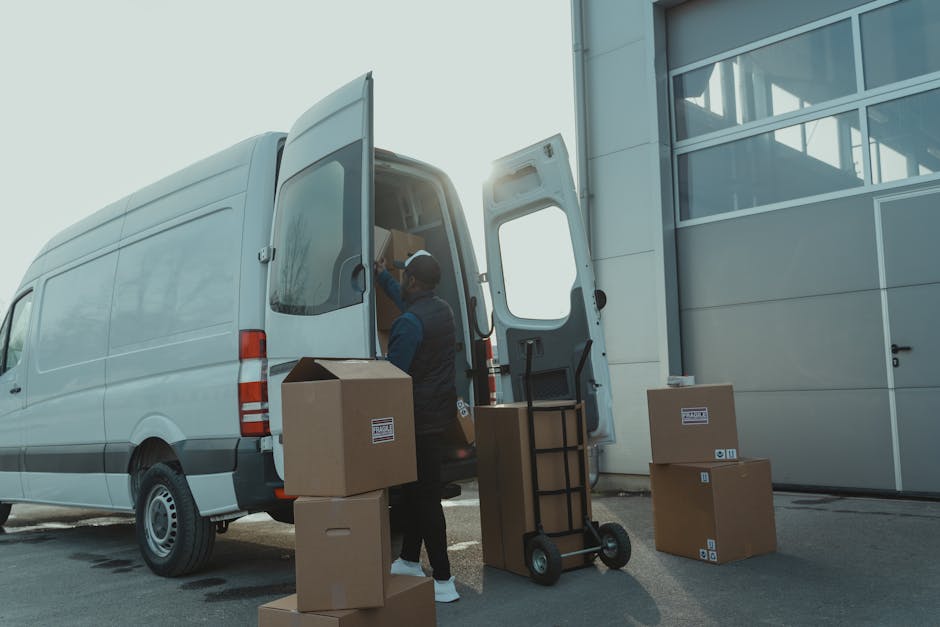
Cambridge Heath Commercial Moves: Shops & Offices Van Hire
If you are planning a shop move, office relocation, or a light commercial transfer in East London, the details matter more than people expect. Cambridge Heath Commercial Moves: Shops & Offices Van Hire is not just about finding a vehicle. It is about keeping stock safe, protecting furniture and equipment, working around busy streets, and getting the job done without turning a trading day into a headache. To be fair, that is the part many businesses underestimate until the first box is already in the corridor.
This guide walks through what commercial van hire looks like in Cambridge Heath, why it matters, how the process works, and how to avoid the common mistakes that slow everything down. You will also find a practical checklist, a clear comparison of move options, and a realistic example based on the kind of work that actually happens in local shops and offices.
Why Cambridge Heath Commercial Moves: Shops & Offices Van Hire Matters
Cambridge Heath sits in a part of London where commercial moves can get complicated quickly. Roads are busy, loading space is often limited, and the difference between a smooth move and a stressful one may come down to timing, access, and vehicle choice. That is especially true for shops and offices, where you are not just moving furniture. You are moving revenue-generating space, equipment, records, stock, and sometimes the whole rhythm of a working week.
A retail move has its own pressure. Shopfronts need to reopen quickly. Stock has to be counted, packed, and unloaded in a sensible order. Office moves are different again: desks, monitors, chairs, filing, IT gear, and confidential documents all need a proper plan. A van hire solution for commercial moves gives you flexibility, but only if it is matched to the job in front of you.
There is also the local reality. In Cambridge Heath, you may be dealing with narrow streets, shared access, residents, deliveries, or loading restrictions. That is why moving with a vehicle that is too large can be just as awkward as choosing one that is too small. Nobody wants to be doing a three-point turn in the middle of the morning rush with a desk wedged half out the back. Not ideal.
Practical takeaway: commercial moves are not simply bigger home moves. They need better timing, smarter vehicle planning, and a clearer understanding of the space you are working with.
How Cambridge Heath Commercial Moves: Shops & Offices Van Hire Works
At its simplest, van hire for a commercial move means choosing the right van, booking the right time, and loading the vehicle in a way that protects your goods and reduces downtime. In practice, there are a few moving parts. First, you identify what needs to be moved. Then you work out volume, access, and the number of trips involved. After that, you decide whether you need a standard moving van, a removal van, a moving truck, or a man and van style service with loading help.
A shop move often includes shelving, display units, tills, small furniture, signage, packaging material, and stock. An office move may include desks, chairs, printers, monitors, archive boxes, computer towers, and fragile items that cannot just be thrown in loose. If you are relocating both stock and fixtures, the load can be awkwardly shaped rather than simply heavy. That matters because an oddly shaped load may need straps, blankets, or a different van layout.
In a typical commercial move, the process looks like this:
- Survey the items and access points.
- Choose the right van size and service level.
- Book the move for a sensible time window.
- Prepare packing materials, labels, and protection.
- Load heavy and stable items first.
- Secure the load for transit.
- Unpack in order at the destination so work can resume fast.
Some businesses prefer to handle all of this themselves. Others want a team that can help with loading, unloading, and careful positioning of items at the new site. If you are comparing options, services like commercial moves and office relocation services can give you a more structured approach than plain transport alone.
One small but important point: if your office or shop has stairs, tight corridors, or awkward pavement access, the move needs to be planned around that reality from the start. It sounds obvious, but in the middle of a busy week, obvious things are the ones people forget.
Key Benefits and Practical Advantages
There are good reasons businesses choose van hire for local commercial moves. The main benefit is control. You can scale the move to the amount of equipment you actually have, rather than paying for a huge vehicle that sits half empty. You can also choose the timing around your business hours, which is a big help if you want to reduce disruption.
Another advantage is flexibility. A small office in Cambridge Heath may only need one van and a few hours. A shop refit might need multiple journeys across the day. A larger office might need a removal van and additional support for furniture and IT handling. With the right setup, the move becomes a sequence of manageable steps instead of one giant, nerve-racking event.
- Less downtime: a well-planned move keeps business interruption down.
- Better cost control: you pay for the vehicle and support you actually need.
- Safer handling: items are packed and secured properly, which matters for screens, stock, and fixtures.
- More flexibility: you can plan around early starts, evening moves, or quieter trade periods.
- Cleaner organisation: labelled boxes and staged loading make the unpacking side much easier.
There is also a quieter benefit that people notice only after the fact: everyone feels calmer when the move has structure. A tidy loading plan, a clear route, and a van that is not overloaded go a long way. Truth be told, a commercial move often runs better when the team is slightly boring about the details.
Who This Is For and When It Makes Sense
This type of move is for any business that needs a practical, local transport solution rather than a full-scale relocation operation. Think independent retailers, small offices, start-ups, creative studios, cafes with back-of-house equipment, and businesses moving between nearby units. It also suits companies that are expanding gradually and do not need everything shifted in one giant wave.
It makes sense when you have a move that is:
- local or short-distance within East London or nearby areas
- time-sensitive and needs a fast turnaround
- moderate in size, with equipment or stock that fits a van-based move
- too involved for a simple car-and-trailer solution
- not large enough to justify a full removal truck for the whole job
For example, a retail boutique moving display rails, mirrors, shelving, and boxed inventory into a new Cambridge Heath unit may not need a huge lorry. An office with 8 to 12 desks, several filing cabinets, and IT equipment might benefit from a van hire solution with loading assistance and a sensible route plan. Different job, different shape.
If the move is more about furniture than business stock, a service such as furniture pick up can be useful for items that need collection, transfer, or repositioning. And if you are in the middle of a broader move across home and work life, options like man and van or removals near me may help you compare support levels quickly.
It is not always the grandest move that causes the biggest stress. Sometimes it is the small one, because everyone assumes it will be easy. That is where the chaos sneaks in.
Step-by-Step Guidance
If you want the move to feel controlled rather than rushed, follow a methodical process. This is the part where a little planning saves a lot of mess later on.
1. List everything that is moving
Start with a full inventory. Separate stock, furniture, electronics, paperwork, fixtures, and anything fragile. This helps you judge van size and packing needs. A simple spreadsheet or room-by-room list is enough. No need to make it fancy if that slows you down.
2. Measure access, not just items
Check door widths, staircases, lift availability, parking restrictions, and loading points. In Cambridge Heath, access can be the hidden issue. A move that looks straightforward on paper can become awkward once you arrive and realise the van cannot stop where you hoped.
3. Pick the right vehicle type
A small moving van may suit boxed stock and lighter office contents. A larger removal van or moving truck can be better for desks, shelving, and bulkier items. If your load includes awkward or heavy pieces, you may want extra hands as well as the vehicle itself. The phrase "just one more desk" has caused many poor decisions.
4. Pack by priority
Items you need first at the destination should be clearly labelled and loaded last so they come off first. Keep essential devices, cables, payment systems, and documents easy to reach. If a shop or office is reopening the same day, this step makes a huge difference.
5. Protect fragile and valuable items
Use blankets, bubble wrap, corner protection, and sturdy boxes. Screens, glass, and branded displays deserve a bit of care. It may feel like overkill at the time, but once a monitor arrives cracked, nobody is laughing.
6. Load with the route in mind
Put heavy items low and secure them so they do not shift. Keep access paths open for unloading in the right order. Think of the van as a working space, not just a box on wheels.
7. Confirm the destination plan
Make sure someone is ready to receive the load, direct placement, and sign off on any key items. A move can stall badly if the team at the new site is still hunting for keys or wondering which room the filing cabinets should go into.
For a more structured move, you may also want to look at removal services or removal van options, especially if you want the transport side handled cleanly from start to finish.
Expert Tips for Better Results
Here are the little things that make a commercial move smoother. These are the details that do not sound dramatic, but they save time and reduce stress in a real way.
- Move outside peak trading hours where possible. Early mornings and quieter days can help reduce disruption.
- Label by room or function. "Front desk," "storage," "back office," and "display stock" are much more useful than a vague label like "misc."
- Photograph cable setups before disconnecting anything. You will thank yourself later when the printer, screen, and dock need to go back together.
- Keep a small essentials box. Tape, scissors, charger, wipes, keys, and the one adapter everyone always forgets.
- Do not overfill boxes. Heavy books and files can make boxes dangerous fast.
- Reserve loading space early if needed. In busy areas, parking and loading can shape the whole day.
One more thing. If your business handles seasonal stock, plan around what you actually need live on the day. Moving slow-moving inventory first often helps, because it frees space without disrupting daily operations. Simple, but effective.
And if you are balancing a move with a full working week, you are not alone. Many businesses use moving van support or a broader removals service so they can keep the operation moving without staff ending up exhausted by lunchtime.
Common Mistakes to Avoid
Most moving problems are predictable. That is the annoying part. They usually happen because someone assumes the move will be simpler than it is.
- Choosing the wrong van size. Too small means repeat trips. Too large can be awkward in tight streets and unnecessary for the budget.
- Underestimating packing time. Office cables, stock counts, and protective wrapping take longer than people think.
- Ignoring building access rules. Lifts, concierge arrangements, time windows, and shared entrances can slow everything down if not checked first.
- Not separating essential items. If you mix urgent items with archive boxes, the first day in the new location becomes messy very quickly.
- Skipping load securing. A few loose items on a corner turn can damage the whole shipment. Not dramatic to say, but true.
- Forgetting disposal or recycling. Old packaging, broken fittings, and unwanted furniture can pile up if you do not plan for them.
A useful habit is to think in three buckets: move now, move later, and do not move at all. That alone can shrink the job and make the final bill much easier to understand.
Tools, Resources and Recommendations
You do not need a warehouse full of kit to run a good commercial move, but a few practical tools make everything easier. Boxes, tape, marker pens, furniture blankets, dolly trolleys, cable ties, labels, and stretch wrap are the basics. If you are moving stock or sensitive equipment, padded crates and proper screen protection are worth the extra effort.
A few service pages can also help you compare what type of support fits your move. For example, if you need a broader view of the business side, about us gives context on the company, while pricing and quotes is useful when you are trying to match the service to a budget. If you want to understand practical protections around the job, insurance and safety is worth reading before you confirm anything.
For businesses that care about waste reduction or environmentally responsible moving habits, recycling and sustainability can be a helpful reference point. It is often the overlooked part of a move, but it matters more than people realise.
One sensible recommendation: keep a digital folder for move-day paperwork, including inventories, access notes, contact numbers, and any building instructions. Old-fashioned paper copies are fine too, of course, but a phone battery has a funny habit of dying exactly when you need it. Classic.
Law, Compliance, Standards, or Best Practice
Commercial moves are practical jobs, but they still need care around safety, access, and responsibility. In the UK, businesses are generally expected to follow sensible health and safety practices, especially when staff, contractors, or visitors are around loading areas. That means avoiding unsafe lifting, keeping walkways clear, and making sure fragile or heavy items are handled properly.
If your move involves business records, customer data, or archived files, you should also think about confidentiality. Boxes of paperwork should not be left open in public view or loaded without a basic chain of responsibility. That is just good practice, and frankly it is common sense.
Where vehicle access is involved, check local parking and loading arrangements carefully. Some streets may have restrictions, suspensions, or narrow access that affect when and how a van can stop. It is wise to confirm details before the day rather than discover them while standing on the pavement with a trolley and no legal place to load from. Not fun.
If you use external helpers, make sure you understand who is responsible for what, including liability for damage, timing, and access. Good providers will be clear about their terms, payment process, and safety approach. You can review related business information in pages such as terms and conditions, payment and security, and health and safety policy.
Best practice, in plain English, is simple: plan the move, protect the people involved, secure the load, and keep clear records. That is the standard worth aiming for.
Options, Methods, or Comparison Table
Different commercial moves need different approaches. Here is a simple comparison to help you decide what fits your situation best.
| Option | Best for | Advantages | Things to watch |
|---|---|---|---|
| Self-managed van hire | Small shop stock, light office contents, short local moves | Lower cost control, flexible timing, simple for straightforward jobs | You handle loading, protection, and route planning yourself |
| Man and van support | Medium moves, mixed items, awkward access, tighter deadlines | Extra hands, faster loading, less strain on staff | May still need good planning and clear labels |
| Removal van or truck hire | Larger offices, bulk furniture, heavier equipment, more volume | More capacity, fewer trips, better for larger relocations | May be harder to manoeuvre in restricted streets |
| Full office relocation service | Business-critical moves, larger teams, complex equipment | Higher support level, better coordination, less disruption | Usually more involved and needs earlier booking |
There is no single "best" option for everyone. The right answer depends on your volume, access, time pressure, and how much hands-on support you want. A smaller retail unit might thrive with a simple van hire setup. A fast-moving office with multiple workstations may need something more structured.
Case Study or Real-World Example
Here is a realistic example. A small design studio near Cambridge Heath needs to move into a slightly larger space. They have four desks, a printer, sample materials, boxed files, artwork, chairs, and several monitors. They also need to keep one laptop live until the very last minute because a client deadline is landing that afternoon. Bit of a balancing act, really.
The team splits the move into three parts. First, they pack non-essential archive boxes and sample stock. Second, they disconnect and label the workstation equipment. Third, they keep a small essentials kit ready for the final hour. A van is booked for an early morning slot so the team can move before the workday fully starts. That timing matters because the area is busier later, and the loading space is tighter by mid-morning.
On the day, heavy items go in first, fragile pieces are wrapped carefully, and the monitors are kept upright. The new office is already set up with room labels, so when the van arrives, each item has a clear destination. Instead of rummaging around for where the cable box went, the team is back at work sooner than expected.
The difference is not magic. It is just organisation, the right vehicle, and a move plan that respects the local conditions. That is what commercial van hire should do: remove friction, not create it.
Practical Checklist
Use this checklist before move day. It saves time, and it saves arguments too.
- Inventory all items to be moved.
- Separate essentials from non-essential stock or equipment.
- Measure access points, stairs, and parking space.
- Confirm loading restrictions and timing windows.
- Choose the correct van or service level.
- Gather boxes, tape, labels, and protective materials.
- Back up digital files and secure sensitive documents.
- Photograph cable setups and key equipment before disconnecting.
- Assign one person to oversee the move on each side.
- Pack a first-day essentials box.
- Check insurance, terms, and safety expectations.
- Plan disposal or recycling for unwanted items.
- Test access at the destination before unloading begins.
If you want a wider moving plan for your business, you might also look at movers or a more general removal company option, depending on how much support you want built into the day.
Expert summary: the best commercial move is rarely the biggest one or the cheapest one. It is the one that matches the real shape of the job, keeps the team calm, and gets your shop or office functioning again without drama.
Conclusion
Cambridge Heath Commercial Moves: Shops & Offices Van Hire is really about making business movement feel manageable. Whether you are shifting stock, desks, display fixtures, or office gear, the right van and the right plan can save time, reduce stress, and protect the things your business depends on. In a busy part of London, that practical advantage matters more than flashy promises ever will.
The best approach is simple: assess the job properly, choose the correct support, and keep the move organised from the first box to the final unload. If you do that, the day is far more likely to feel controlled than chaotic. And honestly, that is worth quite a lot.
Get a free quote today and see how much you can save.
Frequently Asked Questions
What is the best van type for a small shop move in Cambridge Heath?
For a small shop move, a standard moving van or removal van is often enough if the stock and fixtures are moderate in volume. If you have shelving, display units, or awkward items, choosing a slightly larger vehicle can reduce the number of trips and make loading easier.
How far in advance should I book commercial van hire?
As early as you can, especially if your move needs a specific time window, weekend slot, or access arrangement. Short-notice bookings can work, but advance planning gives you more choice and usually a calmer move day.
Can office equipment like monitors and printers be moved safely in a van?
Yes, but they should be packed and secured properly. Monitors, printers, and other delicate equipment need padding, stable placement, and careful loading so they do not shift during transit.
Is man and van support better than hiring a van only?
It depends on how much help you need. If you have staff ready to load and unload, van hire alone may be fine. If your move involves heavy furniture, stairs, or a tight timetable, man and van support can make a big difference.
How do I reduce downtime during a shop or office move?
Move outside peak hours where possible, pack essentials separately, label everything clearly, and make sure the destination is ready before the van arrives. The less time spent hunting for items, the faster your business can restart.
What should I do with old office furniture I do not want to keep?
Plan this before move day. Decide whether furniture will be reused, collected, recycled, or disposed of separately. Leaving it until the end can create clutter and slow the whole process down.
Are commercial moves more complicated than home moves?
Usually, yes. Commercial moves often involve stock, equipment, sensitive documents, and tighter time pressure. They can still be straightforward, but they need more planning and clearer sequencing.
What if my building has limited loading access?
Then access planning becomes a major part of the job. Check loading bays, parking rules, lift use, and entrance routes before booking the van. In busy local streets, access can matter as much as the items being moved.
Do I need special protection for fragile stock or equipment?
Yes, if the items are fragile, valuable, or sensitive. Use padding, sturdy boxes, and load securing so they remain stable. It is a small effort that can prevent a costly problem later.
How can I compare quotes for Cambridge Heath commercial moves properly?
Look beyond the headline price. Check what is included, whether loading help is part of the service, how timing is handled, and whether any access issues or extra tasks could affect the final cost. A clear quote is usually the better quote.
What happens if my move takes longer than expected?
That can happen, especially if packing is incomplete or access is tighter than planned. Build a small buffer into your schedule where possible, and keep communication open so the move can adapt without becoming stressful.
Is there a good option for businesses that need a mix of transport and hands-on help?
Yes. Many businesses choose a man and van style service or a broader removal service because it combines transport with practical loading support. That middle ground is often the best fit for commercial moves that are too big for DIY, but not huge enough for a full office relocation package.